Mobile App for Business: When You Need One and How to Measure Its Effectiveness
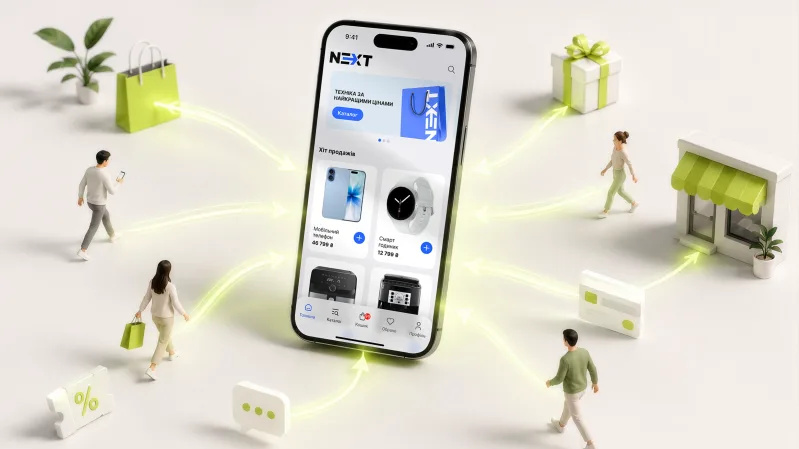
A mobile app can be much more than an additional channel for communicating with customers. For a business, it's an opportunity to simplify ordering services, automate interaction with the audience, increase loyalty and create new sources of revenue.
At the same time, not every company needs its own app. For the investment to pay off, it's important to understand exactly which tasks it should solve.
When should a business consider developing a mobile app?
1. Customers use your services regularly
If customers frequently place orders, book services or interact with the company, an app can make this process faster and more convenient.
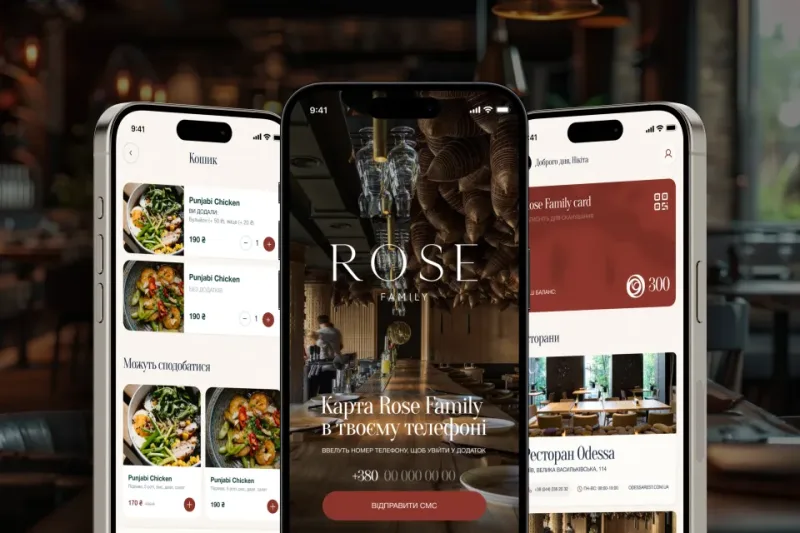
For example, a restaurant can offer ordering and delivery, a fitness club can offer workout booking, and a service company can offer a personal account for managing services.
2. You want to increase customer loyalty
A loyalty program, bonuses, personalized offers and purchase history help maintain long-term relationships with the audience. Push notifications make it possible to inform users about important events and offers, provided they have given their consent.
3. The company needs a digital service for employees
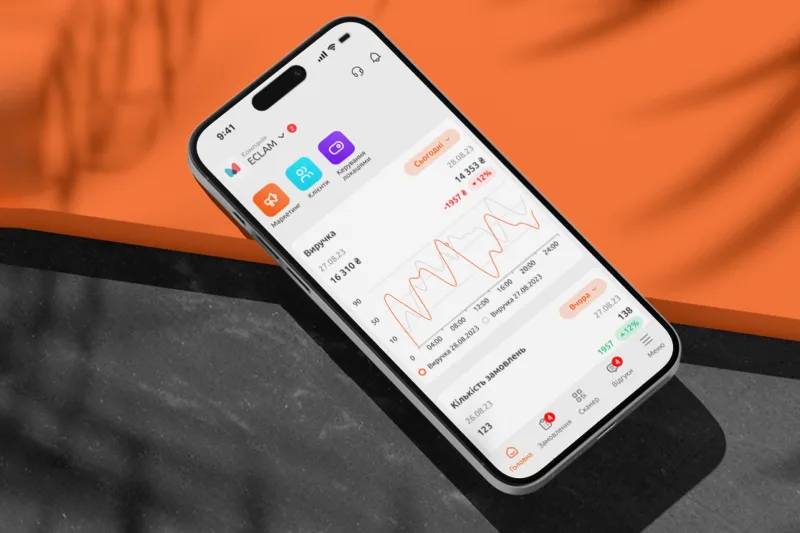
Mobile apps are useful not only for customers. They can help employees work with orders, inventory, tasks, documents or internal business processes.
4. A website is no longer enough
If customers keep coming back to the service, it may be more convenient for them to use an app with a personal account, saved data and quick access to the main features.
Which features should you plan for?
Functionality depends on the business model, but mobile products most often include:
user registration and authorization;
a personal account and order history;
a catalog of products or services;
online payment and order management;
push notifications;
a loyalty program;
integration with CRM, ERP and other corporate systems.
It's not necessary to implement all features at once. It makes more sense to start with the key scenario, test it in practice and gradually expand the product.
How to measure the effectiveness of a mobile app?
Before development starts, it's worth defining the metrics that will be used to evaluate the result. These may include the number of active users, repeat purchase frequency, order conversion rate, average order value and the cost of customer service.
It's important to consider not only the number of downloads, but also how well the app helps achieve business goals.
How does development work?
The process starts with an analysis of business objectives and user needs. After that, the team defines the functionality, creates the design, develops the mobile and server sides, sets up integrations and tests the product before launch.
Webstick develops mobile apps for business, tailored to the needs of a specific company. If necessary, the app can be integrated with a CRM, website, payment services and internal systems.
If the project involves complex business logic or large volumes of data, the team can also build a web application and server infrastructure to support the digital product.
Webstick professionals will help you assess whether a mobile app makes sense for you, define product requirements and go all the way from idea to launch.
When planning development, start with the main question: what customer or business problem should your app solve? The answer will become the foundation of a successful digital product.