Corporate Training Without Chaos: How an LMS Helps Automate Employee Development
Employee training directly affects the quality of work, how quickly new hires get up to speed and the stability of business processes. Yet in many companies, training materials are stored in different documents, instructions and presentations, and knowledge control depends on managers and mentors.
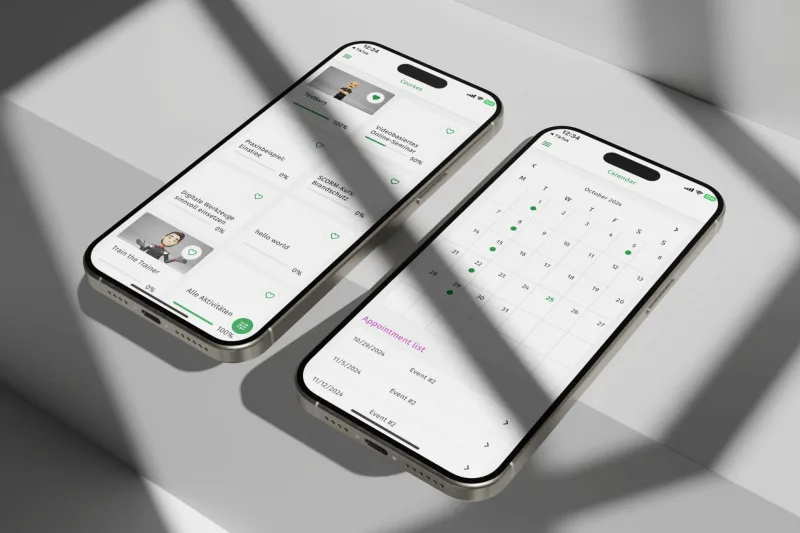
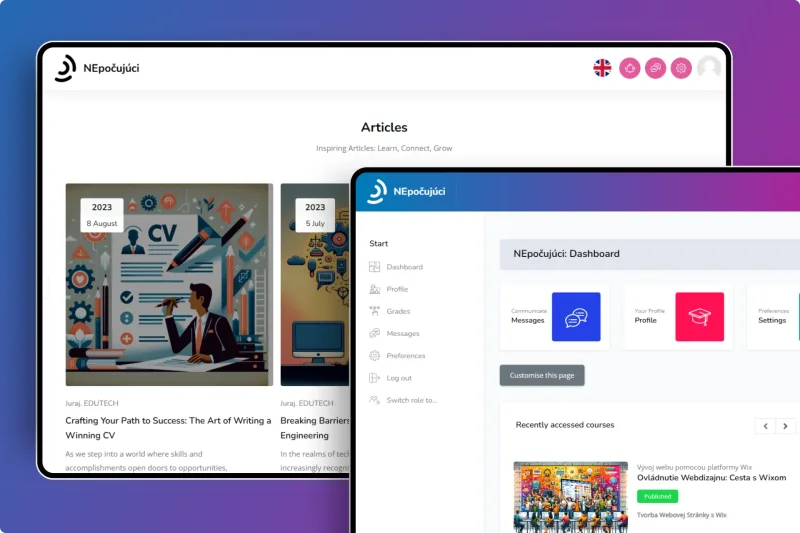
An LMS (Learning Management System) is a system that lets you organize corporate training in a single digital environment.
What problems does an LMS solve?
1. Long onboarding of new employees
New hires need to learn company rules, work instructions and internal processes. An LMS lets you create structured training courses that employees complete at a comfortable pace.
2. No single knowledge base
When information is spread across files and different platforms, it's hard for employees to find up-to-date materials. An LMS centralizes training content and simplifies access to it.
3. It's hard to control the level of knowledge
Completing a briefing doesn't always mean that an employee has learned the material. Tests, assignments and reports make it possible to evaluate training results.
4. A lot of time spent on repetitive training
Managers and experienced employees regularly explain the same processes to newcomers. Training courses help automate the transfer of basic knowledge, leaving mentors more time for complex tasks.
5. It's hard to keep training materials up to date
When rules, products or work processes change, information needs to be updated and communicated to employees. An LMS helps manage training content centrally.
What features should a corporate LMS have?
Depending on the company's needs, the system may include:
training courses with texts, videos and instructions;
knowledge tests;
personal accounts for employees;
assignment of mandatory courses by position or department;
tracking of training progress and results;
reports for managers and HR specialists;
automatic training reminders;
integration with corporate systems.
For example, a retail company can use an LMS to train sales staff, a manufacturing company for safety briefings and work standards, and a service business to prepare specialists for working with customers.
Off-the-shelf platform or custom LMS?
A ready-made LMS may be enough for standard training processes. However, companies with specific requirements may need custom user roles, special learning scenarios, integrations with HR systems or their own assessment logic.
In such cases, it's worth considering custom LMS development for your business. A custom solution lets you build a learning environment that matches the company's structure and leaves room for further growth.
How to implement an LMS?
We recommend starting by defining training goals and reviewing existing materials. Next, you need to build the course structure, set up user roles, prepare tests and train the responsible employees.
To begin with, you can launch the LMS for one department, evaluate the results and gradually roll the system out to the entire company.
It's important to remember: the effectiveness of an LMS depends not only on the technology, but also on the quality of the training materials and the team's involvement in the learning process.
Webstick professionals will help you choose the optimal solution, develop an LMS tailored to your company's needs and organize digital employee training.
Training automation is an investment in employee knowledge, the efficiency of internal processes and the long-term growth of your business.